Editor’s note: This is part of a continuing series of columns, stories and photos by Greenville County Historical Society examining the history of Greenville and the Upstate.
Long before Greenville earned its reputation as an award-winning destination, it served as a summer refuge for wealthy Lowcountry families fleeing the heat and disease of coastal South Carolina.
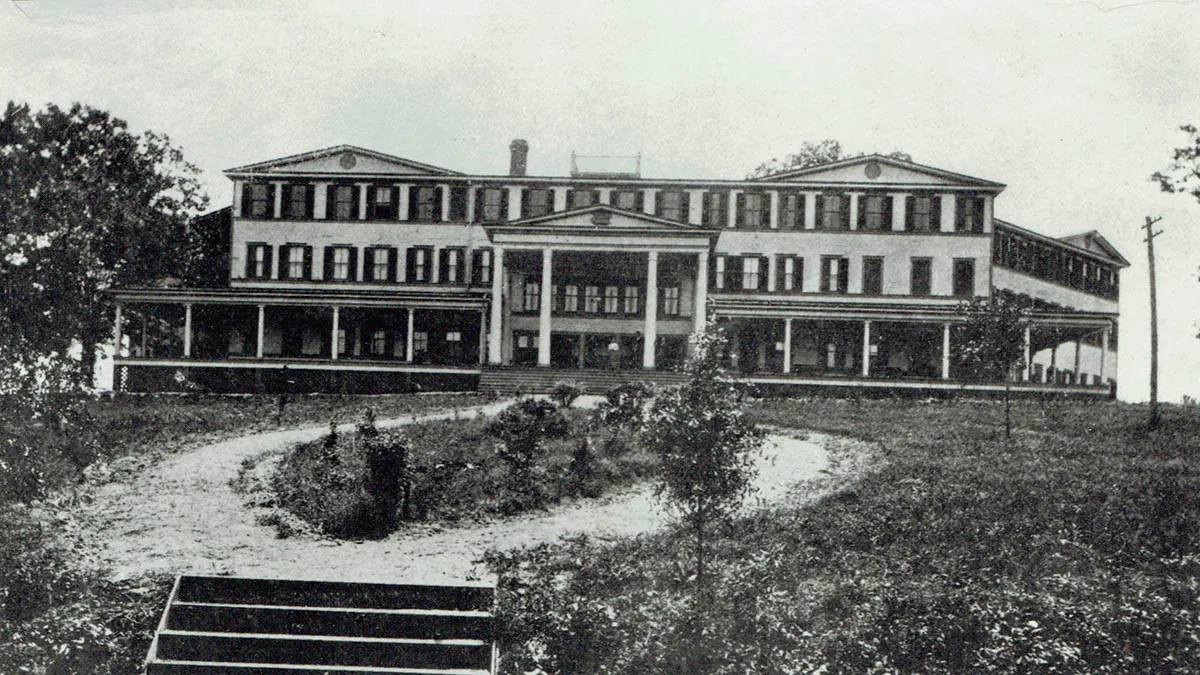
During the antebellum era, planters from Charleston and the rice coast traveled to the Upcountry seeking relief from malaria, yellow fever and brutal summer conditions. Greenville’s elevation, cooler air and mineral springs made it a fashionable seasonal retreat. One of the most important destinations was Chick Springs, near present-day Taylors.
Developed in the late 1830s by Dr. Burwell Chick, the resort quickly became one of the best-known watering places in the region. Contemporary accounts noted that many Lowcountry families built cottages on the surrounding hills.
These visitors did not arrive alone.
Planter families traveled with enslaved cooks, nurses, carriage drivers, laundresses and domestic servants who recreated plantation life away from the coast. Advertisements for Chick Springs charged “children and servants” half-price for board, a small detail that revealed how completely enslaved labor remained embedded in the resort economy.
Greenville lacked the vast plantation landscapes of the Lowcountry but it was drawn into the same slave-based economy that generated coastal wealth. Money produced through rice and cotton flowed into Upcountry hotels, merchants, transportation systems and landowners.
Transportation improvements deepened the connection. Early visitors endured long stagecoach rides from Columbia, but railroad expansion transformed travel by the 1850s. A traveler could leave Charleston in the morning and reach Greenville by afternoon, integrating the Upcountry into a broader Southern tourism economy.
Chick Springs also functioned as a social center for the planter class. Guests attended dances, concerts and dinners in an environment that preserved coastal hierarchies while offering escape from coastal conditions.
Much of this history has faded from view. Greenville often presents itself as distinct from the plantation culture that defined much of antebellum South Carolina. Chick Springs tells a more complicated story.
The Upcountry looked different from Charleston and the rice coast. But it remained connected to the same systems of wealth, slavery and power that shaped the 19th-century South – benefiting from them, accommodating them, and in some ways depending on them.
Next: Before Furman University became one of Greenville’s defining institutions, its origins were tied to Baptist theology, cotton wealth, and slavery — a story of how faith, education and human bondage coexisted and reinforced one another in the antebellum South.
Russell Stall is a Greenville native, former at-large Greenville City Council member, and certified city planner. He serves as executive director of the Greenville County Historical Society. For more information, visit greenvillehistory.org.