Note to readers: This is the first in a series of profiles of community leaders running in the Greenville Journal during Black History Month.
*** Homeownership is a simple word with a straightforward meaning: the state of owning one’s home.
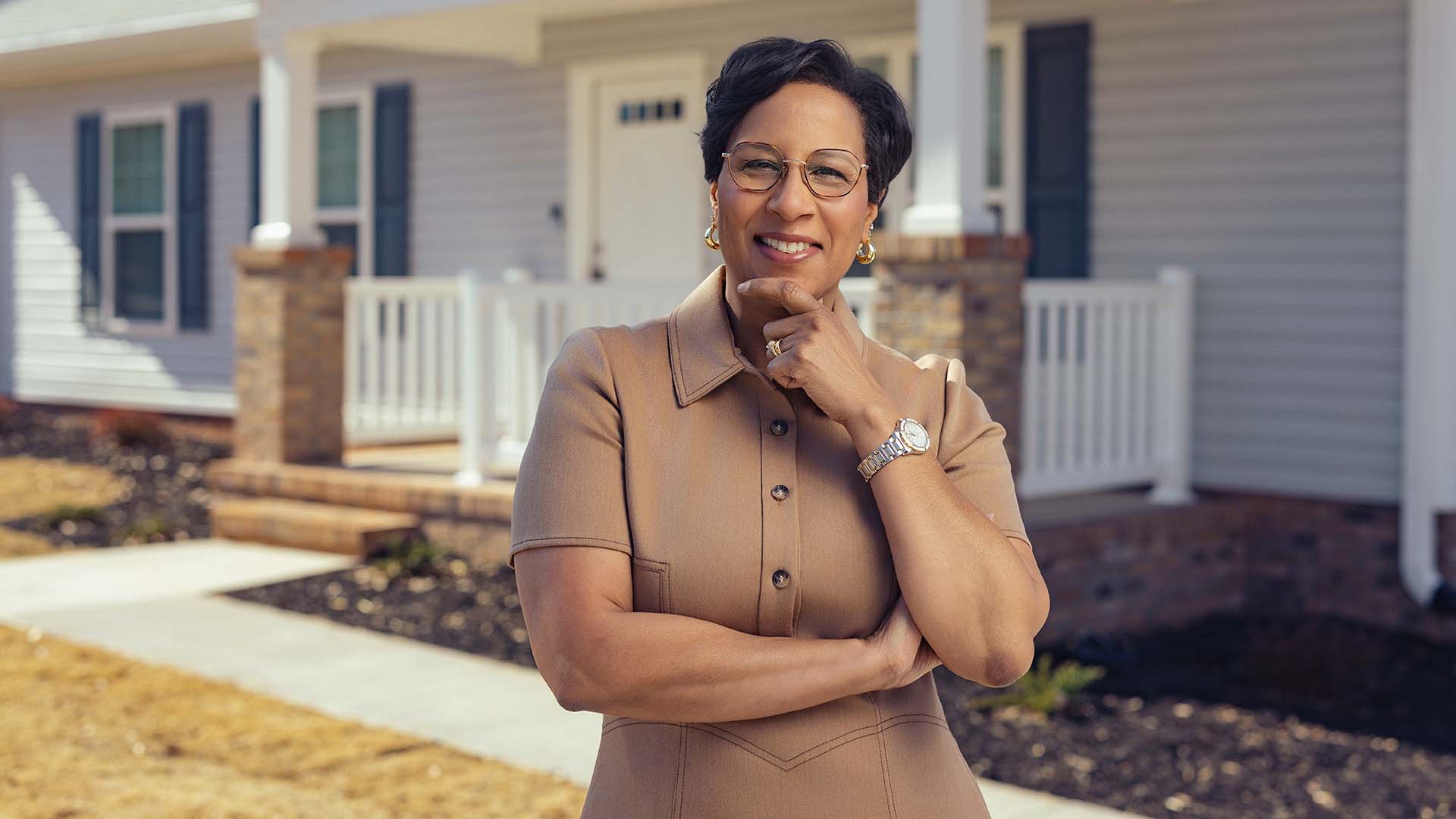
But for LaTonya Phillips, president and CEO of Habitat for Humanity of Greenville County, that simple word represents so much more and speaks to the very thing that defines community and opportunity — empowerment.
Since assuming the job in early January, Phillips has reflected on both the legacy and accomplishments of her predecessor – Monroe Free, who retired at the end of 2024 – and the nature of the mission of Habitat for Humanity in strengthening community.
“We bring people together to build homes and communities,” she said. “I feel that I am doing the work that I was put here to do. I don’t take that lightly.”
A native of Danville, Kentucky, Philips moved to Greenville almost a decade ago when her husband, Carlos, was hired as the president and CEO of the Greenville Chamber of Commerce.
Having lived in cities like Louisville, Kentucky, Birmingham, Alabama, and Alpharetta, Georgia, Phillips said she loves the community and thinks one of Greenville’s strengths is the community’s ability to come together.
She sees that play out daily through Habitat Greenville’s work and that of its collaborative partners working to improve the lives of people and families.
That work is guided by the principle that healthy families make healthy communities. Phillips said one of the surest foundations for a healthy family is a safe place to call home.
That foundation is even more secure when that home is one you own.
“When you have a place that you can call your own and you can lay your head down at night, it opens up so many other windows of opportunity,” Phillips said. “This is work that matters.”
Meeting the challenge
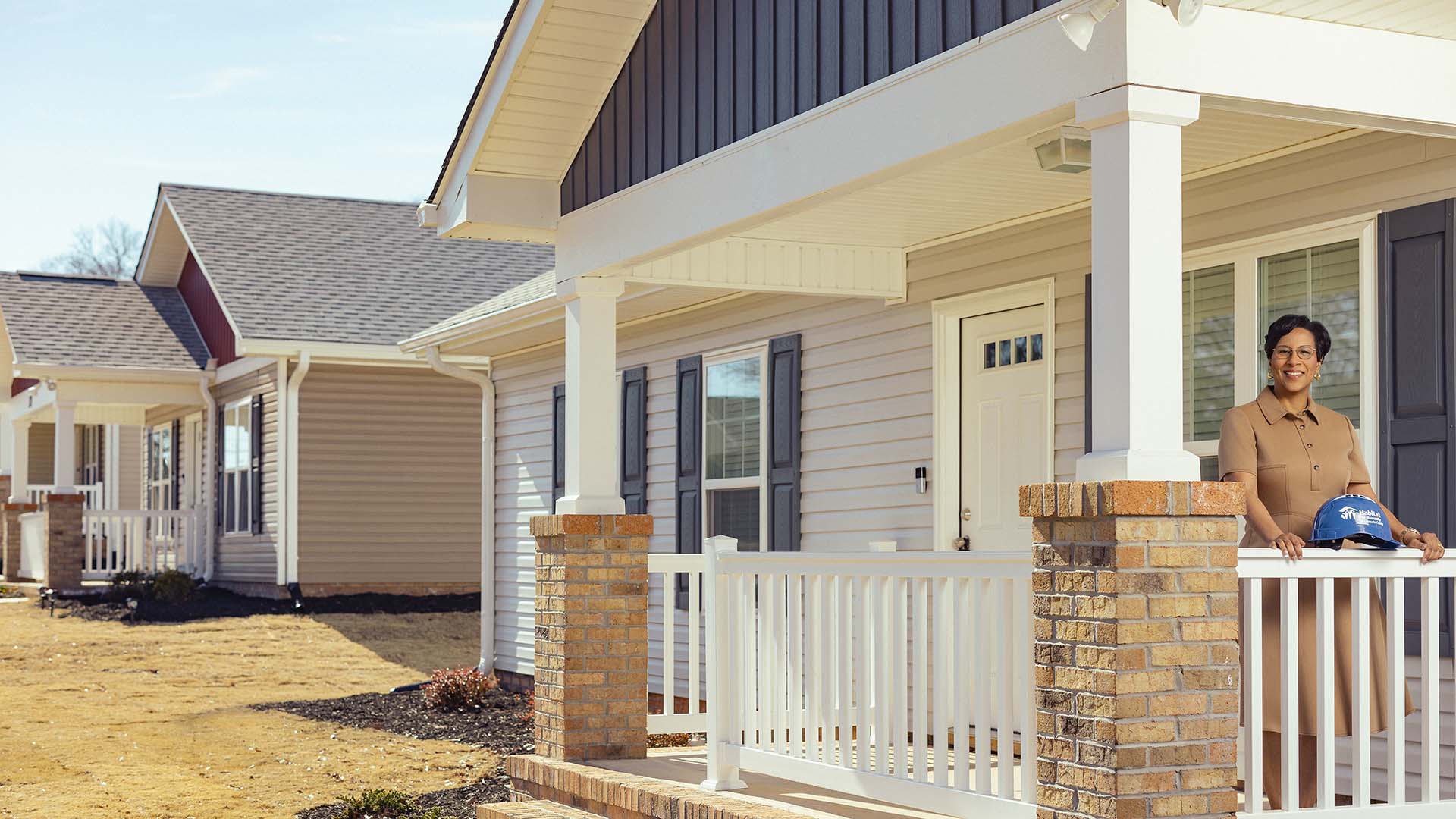
One of the major challenges in doing that work stems from the region’s rapid growth and how that growth has pushed up the cost of owning a home.
To meet that challenge, Phillips and her team have begun a strategic planning process to evaluate what is working and what can be improved. She said this also involves considering strategies and options that might not have been available just a few years ago.
For instance, Phillips said her team is considering whether there are cost-saving opportunities through technologies like 3D printing and modular home construction or land trusts where the home is owned by the resident but not the property on which it sits.

She said the scope of the challenge and the rapid rate of change throughout the community likely mean new and novel approaches will have to be considered.
Phillips said that while the work may seem daunting, the passion and commitment of her team and their community partners combined with the impact their efforts can have for families make it work worth doing.
“When you can help people find a direction, you provide a landscape for what can be,” she said. “And I really think that’s the business we’re in – working with people to provide a landscape to their future.”